
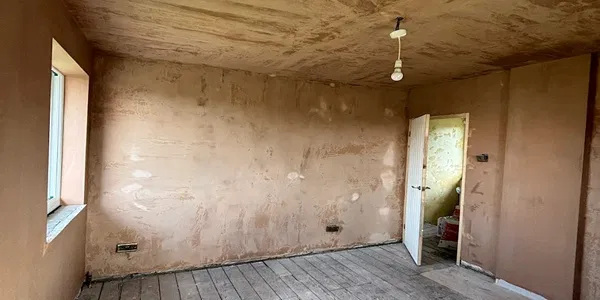
Terraced houses have plenty of character. From bay windows and high ceilings to original cornices and solid brick walls, they can offer features that newer homes simply do not have.
However, those same features can make renovation work more involved.
Before arranging professional plastering in Newcastle upon Tyne, it is important to understand what may be behind the existing surfaces, how access could affect the job and why preparation is especially important in older properties.
At MSP Plastering Solutions Ltd, we have 20+ years of experience working on walls and ceilings in homes across Newcastle and the North East. Here is what you should expect before work begins.
Why terraced houses need careful preparation
Many Newcastle terraces were built well before modern construction methods became standard. A home may have been altered several times, meaning one room can contain a mixture of:
- Original lime-based plaster
- Lath and plaster ceilings
- Modern gypsum repairs
- Plasterboard from previous renovations
- Old electrical chases and plumbing repairs
- Layers of paint, wallpaper and earlier patching
This does not automatically mean the whole room needs stripping back. A professional inspection should establish what is sound, what is failing and which areas need attention.
The aim is to create a durable, even and decoration-ready finish without removing original features unnecessarily.
What could be behind the walls and ceilings?
Lath and plaster
In many pre-1919 terraced houses, ceilings and some internal partitions were constructed using timber laths covered with several layers of traditional plaster.
The plaster grips the laths through small sections known as “keys”. Over time, these keys can break away because of:
- Vibration from building work
- Water damage
- Movement in the building
- Age-related deterioration
- Previous alterations
- Heavy fittings fixed to the ceiling
A ceiling can look relatively intact while still having loose areas. This is why it should be checked carefully before any new finish is applied.
Depending on its condition, the best solution may be:
- Localised repairs
- Re-securing loose sections
- Removing only failed areas
- Installing new plasterboard where necessary
- Full replacement if the existing ceiling is beyond repair
Good workmanship is not about automatically removing everything old. It is about recommending the most suitable solution for the condition of your home.

Solid brick walls and old repairs
Older terraced properties commonly have solid masonry walls rather than modern cavity walls. These walls may have been repaired with different materials over the years.
Before plastering work begins, we look for:
- Hollow or blown areas
- Loose sections
- Deep cracks
- Damp staining
- Salt deposits
- Uneven previous repairs
- Areas damaged by removed skirting boards or fittings
It is important to identify the cause of a problem before covering it. For example, damp or water ingress should be investigated and dealt with before applying a new internal finish.
In some older properties, a compatible, breathable approach may be more appropriate than simply covering a traditional wall with a dense modern material. The correct specification depends on the building, the existing surface and the condition of the masonry.
What should you know about party walls?
Party walls separate your home from the neighbouring property. In a terraced house, these are often substantial brick walls, but the plaster finish on either side may be in very different condition.
Normal internal repairs or skimming work will usually focus on the surface finish. However, care is still needed to avoid unnecessary damage or excessive vibration.
Before work starts, discuss:
- Whether the wall is a party wall
- Any deep cracks or movement
- Previous chasing for cables or pipes
- Whether the adjoining property has reported issues
- How dust and noise will be controlled
- Whether structural work is also planned
If your renovation involves cutting deeply into the wall, removing masonry or making structural changes, you may need advice from a building professional regarding the Party Wall etc. Act 1996. Internal surface preparation is different from structural alteration, so the two should not be confused.
A reliable team will explain what their work involves and highlight anything that should be referred to a surveyor, builder or structural engineer.
Bay windows require extra attention
Bay windows are a defining feature of many Victorian and Edwardian terraces. They also create more complicated surfaces than a standard square room.
A bay may include:
- Angled wall sections
- Curved reveals
- Narrow returns
- Several internal corners
- Decorative mouldings
- Older timber around the window
- Areas vulnerable to condensation or damp
Achieving a seamless finish around these details takes time and patience. The plasterer must work carefully around frames, sills, skirting boards and coving without damaging the original joinery.
Before the job begins, check whether the bay window has any signs of:
- Peeling paint
- Damp marks
- Crumbling plaster
- Failed sealant
- Damaged timber
- Cracks around the junctions
A new finish will not resolve an underlying water or condensation problem. Any necessary repairs should be planned before the final surface is applied.
High ceilings affect access and timescales
High ceilings can make a room feel spacious and impressive. They can also increase the amount of preparation, equipment and labour required.
Your plastering contractor may need to consider:
- Safe access equipment
- Taller hop-ups or towers
- Additional protection for floors and furniture
- More time for preparation
- Extra drying and ventilation requirements
- Cornices, ceiling roses or decorative details
Access equipment should never be improvised. A professional team will plan how the ceiling can be reached safely while protecting your property below.
High ceilings can also make imperfections more noticeable. Light entering through a bay window or tall sash window may highlight uneven areas, so careful preparation and a consistent finish are essential.

Narrow hallways and restricted access
Terraced houses often have tight entrances, narrow staircases and limited parking. These practical details can affect how materials, tools and waste are moved through the property.
Before work begins, consider:
- Where materials can be delivered
- Whether furniture needs to be removed
- How stair carpets will be protected
- Whether radiators, sockets or light fittings need to be taken off
- Where waste can be stored
- Whether neighbours need advance notice of noise
- How the team will access upper floors
Good preparation reduces disruption. At MSP Plastering Solutions Ltd, we protect working areas carefully and keep the site as clean and organised as possible throughout the project.
The steps before plastering begins
1. Arrange an assessment
We start by looking at the walls and ceilings rather than assuming every surface needs the same treatment.
This helps identify whether you need:
- Repairs
- Full replastering
- Skimming
- Plasterboarding
- Ceiling replacement
- Careful treatment around period features
2. Agree the scope of work
Your quotation should clearly explain what is included. This may cover preparation, removal of failed material, repairs, corner beads, protection, waste removal and the final finish.
Ask questions if the quote is unclear. A detailed scope helps prevent surprises later.
3. Complete other trades first
Electrical and plumbing work should usually be finished before internal surfaces are repaired. This is particularly important if walls need chasing for cables or pipes.
Once these trades are complete, damaged areas can be properly filled and prepared before the final skimming work takes place.
4. Protect the property
Floors, staircases, joinery and remaining furniture should be protected before preparation begins. Removing old material can create dust and debris, so proper sheeting and careful access routes make a noticeable difference.
5. Allow for drying time
Fresh plaster needs time to dry fully before decorating. Ventilation should be controlled sensibly, and surfaces should not be rushed with strong heat.
Your team should explain when the walls are ready for mist coating and final decoration.

How much does terraced house plastering cost?
There is no single price because every property is different. The final cost may be affected by:
- The size and number of rooms
- The condition of the existing plaster
- Lath and plaster repairs
- Ceiling height
- Bay windows and decorative details
- Restricted access
- The amount of preparation required
- Whether plasterboard is needed
- Waste removal and protection
The cheapest quote is not always the best value. A flawless finish depends on proper preparation, suitable materials and skilled application.
Choosing the right team in Newcastle
Whether your property is in Jesmond or Gosforth, choose a team that is comfortable working with both older homes and modern renovation requirements.
Look for:
- 20+ years of experience
- Clear, written quotations
- Fully qualified workmanship
- Full liability insurance
- Evidence of previous work
- Respect for period features
- Careful protection and clean-up
- Strong independent customer feedback
Our reputation is backed by 100+ positive customer reviews across Google, Trustpilot and Yell, from customers throughout Newcastle upon Tyne and the North East.
Frequently Asked Questions
Do all pre-1919 terraced houses need lime plaster?
No. The correct approach depends on the existing materials, the condition of the wall and the type of finish required. A professional inspection should be completed before deciding between repair, compatible replastering or a modern finish.
Can you skim over old plaster in a terraced house?
Sometimes. If the existing surface is sound, clean and properly prepared, skimming may be suitable. Loose, damp or hollow areas usually need repairing first.
Are lath and plaster ceilings always dangerous?
Not necessarily. Some original ceilings remain sound for many decades. Others may have loose keys, sagging or water damage. The condition should be assessed before deciding whether to repair, overboard or replace the ceiling.
Do party walls need special permission for internal plastering?
Routine surface repairs do not normally involve structural work. However, deep chasing, removal of masonry or other structural alterations may require professional and legal advice. Ask your builder or surveyor if your project goes beyond surface finishes.
How long should I wait before decorating?
The drying time depends on the thickness of the finish, ventilation, temperature and the condition of the building. Your plastering team should advise you when the surface is ready for mist coating and final decoration.
Can MSP Plastering Solutions Ltd work in rooms with bay windows and high ceilings?
Yes. We carefully prepare and finish walls and ceilings around period features, awkward angles and restricted access. Contact us for a free, no-obligation assessment of your terraced house project.
If you are planning to renovate a terraced house in Newcastle, send us details of the rooms, walls or ceilings involved. We can discuss the condition of the property, explain your options and provide a clear quotation for a professional, long-lasting finish.
More From MSP
More from our blog
Related Posts

Noticed a section of old plaster bulging, cracking or coming [...]
Older homes have character, but their walls and ceilings can [...]
Choosing a plasterer is an important decision. A smooth, flawless [...]