

Noticed a section of old plaster bulging, cracking or coming away from the wall? This is a common problem in older Newcastle homes, particularly properties with solid masonry walls or traditional lath-and-plaster construction.
The key issue is usually loss of adhesion. The plaster is no longer properly bonded to the surface behind it, so it becomes hollow, loose or detached. Sometimes the problem is local and can be repaired. In other cases, the underlying plaster has deteriorated so extensively that partial or full replastering is the more reliable solution.
At MSP Plastering Solutions Ltd, we have 20+ years of experience diagnosing and repairing damaged internal walls and ceilings. In this guide, we explain why old plaster comes away from the wall and how to decide what should happen next.
What does it mean when plaster comes away from the wall?
Plaster can separate from its backing in several ways:
- It may bulge or blister away from the wall.
- Cracks may appear around the affected area.
- The surface may sound hollow when tapped.
- Small flakes may fall away.
- The plaster may move slightly when pressed.
- A larger section may suddenly detach.
This is often called delamination, debonding or “blown” plaster. It means there is a gap between the plaster and the masonry, lath or previous coating behind it.
A hollow patch does not always mean the entire wall needs to be stripped. However, it should not simply be painted over. Covering loose plaster may hide the problem temporarily, but movement and further failure are likely to continue underneath.

The main reasons old plaster comes away from a wall
1. Damp or moisture behind the plaster
Moisture is one of the most common causes of loose plaster. Water can weaken the plaster itself and break down the bond between the plaster and the wall.
Possible sources include:
- Leaking pipes or heating systems
- Failed sealant around baths, showers or sinks
- Defective gutters or downpipes
- Water penetration around windows
- Roof leaks
- Rising damp
- Condensation in poorly ventilated rooms
Moisture can also carry salts into the plaster. As the wall dries, these salts may crystallise and push the surface away from the masonry. You may notice white powdery deposits, staining, bubbling paint or a musty smell around the affected area.
The important point is that the damp source needs to be identified first. Removing and replacing the plaster without dealing with the moisture can lead to the same problem returning.
2. Poor original adhesion
Some old plaster was applied to surfaces that were dusty, dirty, highly porous or poorly prepared. If the original bond was weak, the plaster may survive for many years before eventually becoming loose.
This can happen when:
- Dust was left on the wall before plastering.
- The background absorbed water too quickly.
- A smooth or painted surface was not prepared properly.
- The wrong plaster or mix was used.
- The coating was applied too thickly.
- Previous repairs were completed without creating a sound base.
In these situations, the plaster may come away in broad sections rather than forming one small crack. Tapping the wall can reveal several hollow areas surrounding the visible damage.
3. Impact, vibration and general wear
A knock from furniture, a slammed door or building work can start localised plaster damage. Once the bond has been disturbed, vibration and everyday movement can cause the affected area to spread.
This is particularly common around:
- Doorways and stairwells
- Areas behind radiators
- Corners and chimney breasts
- Walls affected by electrical or plumbing work
- Rooms undergoing renovation
In some cases, the impact is obvious. In others, the original damage occurred years ago and the plaster has gradually weakened around it.
4. Thermal movement
Walls and ceilings expand and contract as temperatures change. Timber framing can also move slightly with seasonal changes in moisture content.
Older plaster is less flexible than modern materials. Repeated movement can cause:
- Fine cracks
- Wider cracks at junctions
- Separation around timber
- Hollow areas near corners
- Detached plaster around openings
Thermal movement does not necessarily indicate a serious structural problem. However, recurring cracks or widespread separation should be assessed rather than repeatedly filled and painted.
5. Failed keys in traditional lath-and-plaster walls
Many period properties in areas such as Jesmond and Gosforth contain traditional lath-and-plaster walls or ceilings.
This system uses narrow timber strips, called laths, fixed across the timber frame. Wet plaster was pushed through the gaps between the laths. Once it hardened behind them, it formed mechanical “keys” that held the plaster in place.
Over time, these keys can:
- Crack through vibration
- Break due to movement
- Deteriorate because of damp
- Fail as the plaster ages
- Lose support if the laths become damaged
When enough keys fail, the plaster may sag, sound hollow or come away from the timber backing. This is especially important on ceilings, where detached material can become a safety concern.
6. Age and gradual deterioration
Plaster does not last forever. Decades of decorating, minor movement, moisture, impact and previous repairs can gradually reduce its strength.
Old plaster may become:
- Powdery
- Brittle
- Crumbly
- Discoloured
- Difficult to bond to
- Covered in multiple failing paint layers
Age alone does not mean the plaster must be removed. If it remains firm and well bonded, it may be suitable for repair or professional skimming. The decision depends on its actual condition rather than the age of the building.
How can you tell if plaster is hollow?
A plasterer will usually inspect the whole area, not just the visible crack or hole.
Light tapping can reveal differences in sound:
- A solid sound usually indicates good contact with the background.
- A hollow or dull sound may indicate a gap behind the plaster.
- A soft or crumbling surface suggests the plaster has lost strength.
- Movement under gentle pressure indicates a failed bond.
Visual signs can include bulging, staining, loose edges and cracked paint. However, some hollow plaster looks almost perfect on the surface. This is why a small visible defect can sometimes turn into a larger repair once the surrounding area is tested.
Do not deliberately knock large areas from a wall or ceiling yourself. Loose plaster can fall unexpectedly, and older surfaces may contain hidden electrical cables or pipework.
Should you repair the plaster or replaster the wall?
The right solution depends on the extent, cause and condition of the damage.
Repair may be suitable when:
- The damaged area is localised.
- Most of the surrounding plaster is solid.
- The surface is not crumbling.
- The masonry or lath behind it is sound.
- Any leak or damp issue has been resolved.
- Previous repairs are limited.
A typical repair may involve carefully removing loose material, cleaning the exposed background, preparing the edges and applying compatible backing and finishing coats. The repaired area must be blended properly so it does not show through after painting.
Replastering may be better when:
- Large areas sound hollow.
- The plaster is loose across most of the wall.
- The surface crumbles when touched.
- There is extensive damp or salt contamination.
- Traditional lath keys have failed across a wide area.
- Several previous patches are breaking down.
- The wall is uneven and difficult to make sound.
- The cost of repeated repairs would outweigh a lasting solution.
Depending on the wall, we may recommend local repairs, removing and replastering part of the surface, or installing new plasterboarding and dry lining before applying a smooth finish.
Our approach is to preserve sound original plaster wherever practical. We do not believe in removing good material unnecessarily. Equally, cosmetic patching is not a long-term solution when the underlying surface has already failed.

How professionals repair plaster that has come away
A thorough internal plastering repair normally follows these steps:
- Inspect the visible damage and surrounding area.
- Check for hollow, loose or crumbling plaster.
- Identify possible moisture or movement issues.
- Remove unsound material back to a firm edge.
- Clean and prepare the exposed background.
- Apply suitable backing material where required.
- Build up the repair in compatible coats.
- Finish the surface smoothly and blend it with the surrounding wall.
- Leave the area ready for painting or decorating.
Good preparation is essential. If loose edges, dust or damaged backing are left behind, the new material may fail in the same way as the old plaster.
When should you seek professional advice?
Arrange an assessment if:
- Plaster is falling from a ceiling.
- A wall is visibly bulging.
- Damp staining is present.
- Cracks are widening or recurring.
- Several areas sound hollow.
- The damage appeared after building movement or major works.
- You are unsure whether the wall is lath-and-plaster.
- You are preparing an older property for renovation.
This is particularly important before decorating. Painting over loose plaster can make the surface look better for a short time, but it will not restore the failed bond.
Get honest advice about damaged plaster in Newcastle
Old plaster coming away from a wall is frustrating, but it does not automatically mean a full strip-out. In many cases, a careful inspection can identify the cause and establish whether a local repair or complete replaster will provide the best long-term value.
We provide professional internal plastering for homes, renovations and older properties across Newcastle upon Tyne and the surrounding North East. We work cleanly, protect your home and explain the recommended solution clearly before work begins.
Our reputation is backed by 100+ positive customer reviews across Google, Trustpilot and Yell, from customers throughout Newcastle upon Tyne and the North East.
If you have loose, hollow or damaged plaster, contact MSP Plastering Solutions Ltd for a free, no-obligation quotation. You can also send photographs through WhatsApp for an initial view of the problem. 📞
Frequently Asked Questions
Why is my old plaster bubbling or bulging?
Bubbling or bulging usually means the plaster has lost contact with the surface behind it. Damp, poor adhesion, impact or movement may be responsible. The surrounding area should be checked for additional hollow plaster.
Can loose plaster be repaired without removing the whole wall?
Yes, if the damage is localised and the surrounding plaster remains sound. Loose material is removed, the background is prepared and the area is repaired with compatible materials.
Is hollow plaster dangerous?
Hollow plaster is not always immediately dangerous, but it can continue to detach. Hollow ceilings require particular care because loose material may fall. Avoid disturbing it and arrange a professional assessment.
Does damp always mean the wall needs replastering?
No. The extent of damage determines the solution. If the plaster remains sound after the moisture problem is resolved, it may be possible to retain it. Damp-damaged, salt-contaminated or crumbling plaster may need to be removed.
Can you skim over old plaster that is coming away?
Skimming is only suitable when the existing surface is sufficiently sound and well bonded. Loose or hollow plaster must be repaired or removed first. Applying a new finish over an unstable base will not provide a lasting result.
How long does repaired plaster take to dry?
Drying time depends on the depth of the repair, ventilation, temperature and moisture levels in the wall. We can advise you when the surface is ready for mist coating, painting or further decoration.
More From MSP
More from our blog
Related Posts
A damaged ceiling can be more than a cosmetic nuisance. [...]
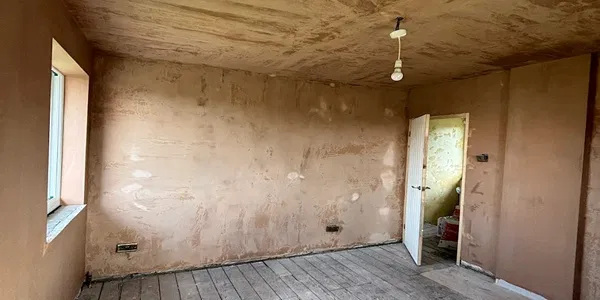
Terraced houses have plenty of character. From bay windows and [...]
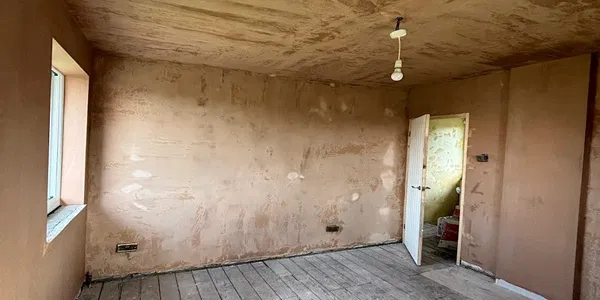
Older homes have character, but their walls and ceilings can [...]