
A damaged ceiling can be more than a cosmetic nuisance. Cracks, sagging, water stains and blown areas may indicate that the existing surface has lost its strength or bond.
The good news is that not every damaged ceiling needs to be removed. In many cases, a carefully planned repair or ceiling skim can deliver a smooth, flawless finish. However, more serious damage may require overboarding or complete replacement.
In this guide, we explain how to decide between repairing and replacing a plaster ceiling, what safety issues to consider and which factors affect the overall cost.
Repair or replace? The short answer
A local repair is often suitable when:
- Damage is small and limited to one or two areas
- Cracks are fine, stable and not spreading
- The ceiling is firm when gently pressed
- The plaster is not sagging or crumbling
- Any water leak has already been fixed
- Most of the original ceiling remains firmly bonded
Replacement or overboarding is usually more appropriate when:
- The ceiling is visibly sagging or bowing
- Large sections sound hollow when tapped
- Plaster is soft, loose or falling away
- Cracks are wide, recurring or spreading
- Water damage covers a large area
- The underlying laths, fixings or plasterboard are failing
- Previous patch repairs have repeatedly broken down
The correct decision depends on what is happening beneath the surface. That is why an inspection is important before work begins.
What causes plaster ceiling damage?
Ceiling damage can develop gradually or appear suddenly. Common causes include:
Water leaks and staining
A leaking pipe, bathroom, roof issue or heating system can leave brown or yellow staining on the ceiling. The stain itself is not always a reason to replace the whole surface.
If the leak has been fixed and the ceiling is dry, hard and well bonded, the affected area may only need sealing, filling and a professional plastering finish.
However, plaster that has become soft, flaky or swollen may no longer be reliable. In that case, the damaged section should be removed and repaired properly.
Age and movement
Older properties can have traditional lath-and-plaster ceilings. These may last for decades, but movement, vibration and ageing fixings can cause the plaster to separate from the laths.
Minor movement may be repairable. Widespread failure may require professional plasterboarding or a new ceiling structure.
Blown plaster
“Blown” plaster has become detached from the surface behind it. It may sound hollow when tapped and can feel loose around the edges.
Small blown patches can often be cut out, prepared and filled. If hollow areas are spread across much of the ceiling, repeated patching may not offer good long-term value.
Previous alterations
Rewiring, plumbing changes, removed partitions and loft work can all leave damaged ceiling areas. Poorly filled chases or badly repaired joints may eventually crack or show through decoration.
A professional repair should address the cause, prepare the surrounding surface and blend the finish properly.
When is a ceiling repair the best option?
Repair is normally the most sensible approach when the damage is localised and the main ceiling remains sound.
For example, a repair may be suitable for:
- A small hole around a light fitting
- A limited crack caused by old movement
- A repaired leak that left one stained area
- A small section of loose or blown plaster
- Damage caused by electrical or plumbing work
- Minor imperfections before redecorating
The process may involve removing loose material, reinforcing the area, applying compatible backing material and finishing with a smooth layer of plaster. Depending on the existing surface, the complete ceiling may then benefit from ceiling skimming to create a consistent appearance.
A repair is not simply about filling the visible crack. If the surrounding plaster is weak, the same problem may return beneath the new finish.

When should you replace or overboard a plaster ceiling?
Replacement becomes more appropriate when the ceiling has lost its structural stability or when the damaged area is too extensive for a durable repair.
Overboarding
Overboarding involves fixing new plasterboard over the existing ceiling, using suitable fixings into the supporting structure. The new boards are then jointed and finished with plaster.
This can be a practical middle-ground solution when:
- The existing ceiling is uneven or badly damaged
- The supporting joists are sound
- Removing the old ceiling would create unnecessary disruption
- You want a fresh, modern surface
- The existing ceiling contains difficult textures or multiple repair areas
Overboarding can be quicker and cleaner than full removal, but it still needs careful planning. Light fittings, coving, ceiling height and access points must all be considered.
Full removal and replacement
Complete removal may be recommended when:
- The ceiling is extensively sagging
- The existing plaster is falling away in multiple areas
- The laths or plasterboard are damaged beyond reliable repair
- There has been significant water damage
- The supporting fixings are loose or failing
- The ceiling has been repaired several times without lasting success
Once the old material is removed, the supporting structure can be checked. New plasterboard can then be installed and finished with professional skimming for a smooth, paint-ready result.
Damaged ceiling safety: what should you do first?
Safety should always come before appearance.
If your ceiling is visibly sagging, bulging or shedding material:
- Keep people away from the affected area
- Move furniture and valuable items out of the room
- Do not press, scrape or knock the ceiling
- Avoid standing directly beneath a serious bulge
- Turn off nearby electrical fittings if water has entered the area, where safe to do so
- Arrange an assessment by a qualified professional
Be especially careful in older homes. Textured coatings and older building materials can require specialist testing before removal. If you are unsure what a coating contains, do not sand, scrape or disturb it yourself.
A ceiling repair should also not begin until the source of any water ingress has been dealt with. Otherwise, even a flawless new finish may fail again.
How much does it cost to repair or replace a plaster ceiling?
The cost depends on the condition of the ceiling and the method required. A small repair may be relatively straightforward, while full replacement involves more labour, materials and waste removal.
The main cost factors include:
- Size of the ceiling: Larger rooms require more materials and working time.
- Extent of damage: A few patches cost less than widespread blown plaster.
- Ceiling construction: Lath and plaster can take longer to assess and remove than modern plasterboard.
- Access: High ceilings, restricted access and awkward room layouts may increase labour time.
- Overboarding or removal: Overboarding may reduce disruption, while full removal involves disposal and additional preparation.
- Coving and ceiling roses: Decorative features may need protection, careful removal or reinstatement.
- Electrical fittings: Light fittings may need to be removed and refitted by an appropriate electrician.
- Decoration: Painting is often priced separately from the plastering work.
- Underlying problems: Leaks, structural movement or damaged joists may need other trades before the ceiling can be finished.
For broad planning purposes, a small ceiling repair may fall within the low hundreds, while full skimming, overboarding or replacement can move into the mid-to-high hundreds or beyond. A clear quotation should explain exactly what is included.
You can also review the general guidance in this ceiling repair cost guide from Checkatrade, but local prices will vary according to the property and the condition of the ceiling.
How we assess a damaged ceiling
At MSP Plastering Solutions Ltd, we do not recommend replacement automatically. We look at the ceiling as a whole and consider the most sensible long-term solution.
Our assessment typically considers:
- Whether the ceiling is firm, hollow, soft or loose
- How widespread the cracks or damaged areas are
- Whether there is visible sagging or movement
- Whether the ceiling is modern plasterboard or traditional lath and plaster
- Whether water damage has fully dried
- Whether overboarding would provide a reliable result
- Whether full removal is necessary for safety and quality
- How the final finish will connect with walls, coving and fixtures
Our aim is to provide honest advice, competitive pricing and a high-quality finish without recommending unnecessary work.

Why homeowners choose MSP Plastering Solutions Ltd
We have 20+ years of experience handling ceiling repairs, reboarding, renovation work and smooth internal finishes across Newcastle upon Tyne and the North East.
We are known for:
- Careful preparation
- Fully qualified workmanship
- Clean and tidy working practices
- Full liability insurance
- Clear communication
- Competitive, transparent quotations
- Smooth finishes ready for painting or decorating
Our reputation is backed by 100+ positive customer reviews across Google, Trustpilot and Yell, from customers throughout Newcastle upon Tyne and the North East.
We regularly help homeowners in areas including Gosforth and Jesmond, as well as surrounding parts of Newcastle and the North East.
Final decision: repair, overboard or replace?
As a general rule:
- Choose repair when the damage is small and the ceiling remains sound.
- Choose overboarding when the surface is extensively damaged but the supporting structure is suitable.
- Choose replacement when the ceiling is unsafe, badly weakened or failing across a large area.
The safest and most cost-effective option is not always the cheapest option at the start. Repeated patch repairs can become frustrating and expensive if the underlying problem is never addressed.
If you are unsure, send us photographs of the ceiling or arrange a professional assessment. We can explain the available options and provide a free, no-obligation quotation for the work required.
Frequently Asked Questions
Can a cracked plaster ceiling be repaired?
Yes, small and stable cracks can often be repaired. However, widening cracks, recurring cracks or cracks combined with sagging may indicate a more serious issue requiring overboarding or replacement.
Is a sagging plaster ceiling dangerous?
It can be. Sagging may indicate that plaster has separated from the supporting structure. Keep people away from the area and arrange an inspection rather than attempting to repair it yourself.
Can you skim over a damaged ceiling?
Sometimes. Skimming is suitable when the underlying ceiling is firm and adequately prepared. It is not a substitute for repairing loose, badly blown or structurally unsound plaster.
Is overboarding better than removing an old ceiling?
Overboarding can be an excellent option when the supporting structure is sound and the existing ceiling is suitable to receive new boards. Full removal may be preferable where the ceiling is unstable, water damaged or failing extensively.
Do water stains mean the whole ceiling needs replacing?
Not necessarily. If the leak has been fixed and the plaster is dry and firm, the affected area may be repaired and sealed. Soft, swollen or crumbling plaster usually needs more extensive work.
How long does a ceiling repair take?
A small repair may be completed in a day, while overboarding, replacement and full finishing can take longer. The timescale depends on the room size, damage, access and drying requirements.
Can MSP Plastering Solutions Ltd repair ceilings in older Newcastle homes?
Yes. We work on traditional and modern properties across Newcastle upon Tyne and surrounding areas. We assess the existing construction before recommending a suitable repair, skimming or replacement method.
More From MSP
More from our blog
Related Posts

Noticed a section of old plaster bulging, cracking or coming [...]
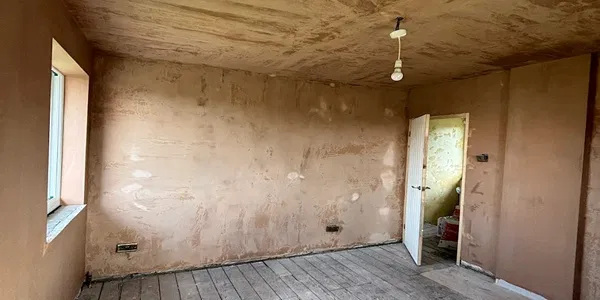
Terraced houses have plenty of character. From bay windows and [...]
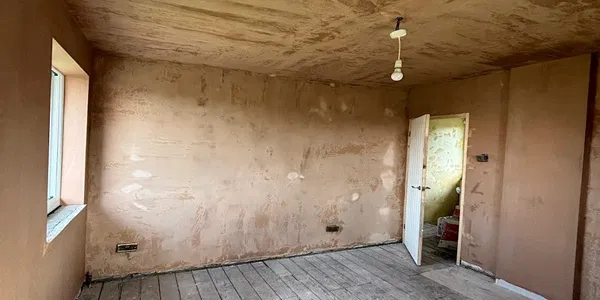
Older homes have character, but their walls and ceilings can [...]